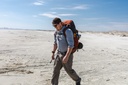
In the hiking community we have this thing called “trail magic”. Trail magic is when someone drops something of value off at a certain point on the trail and hikers in need of said “magic” are free to pick it up. There is really no limit to what these items can be, and it can develop into a fun and exciting exchange for those involved. Anything from a trekking pole or a long-handled spoon all the way down to a jug of water or a pile of ice-cold beer has the ability to stamp a huge smile on the receiving hiker’s face. The best magic is when you just find the items, and no one is to be found. That’s the part that makes it special.
Trail magic is awesome. I personally have been on the receiving end a few times and it is delightful! Passing through a gap and finding some items left behind by a shuttle driver or local outdoor enthusiast is like finding gold to some.
Outside of the trail community, we call this “kindness”. It’s putting someone else’s needs above your own and blessing them with something you have that they don’t. It’s a pretty incredible concept. Sharing your excess with someone who is lacking. Going out of your way to bring joy to someone else. Blessing them with a tool or supply, not just throwing money at a problem. It requires thought, planning, and tact – especially if you plan to make a drop and get away without being seen.
I don’t know who can be credited with inventing trail magic, but I do know it’s a concept that has been around for a couple thousand years. Long before we had outdoor companies and Instagram posers flooding the trails, there was this novel concept of generosity. People did things because they wanted to give to those in need, not because they would get more likes, more business, or a tax write-off. Absolutely there were those who did things publicly for the notoriety, but I have to believe that it was a little less widespread as it is today. Thanks for inventing the internet, Al Gore! (HA!)
When we show kindness towards others without expectation of getting anything in return, including simple recognition, we keep the act pure. Think about it – when you do something for someone and get praise for it, the praise is most likely going to be what motivates you to do more. Of course it would because it feels good to get praise for good things! But the joy that it brings that person is just a byproduct at that point – not the driver. This was by design. The origin that I am referencing comes from Matthew 6 where Jesus instructed those to who give to the needy to do so without their right hand knowing what the left hand is doing. I believe a main driver for this is because our own fat egos would overshadow the purpose of the act itself and dilute the impact on both parties involved.
This is a prevalent issue in our society today. A large portion of people only help when it will benefit them in some way. Or if it’s convenient. Or if they’ll go viral. I think it’s safe to say that it has been diluted. It’s in every compartment of our lives. Corporations have stopped giving back to their employees because it costs a lot and those are areas we can cut back on. Some churches and charities have minimized the actual gift of the service for financial or political gain. Influencers are “doing good deeds” for the views and the likes. Individually, we’ve gotten “street smart” and ignore those holding signs because we all know what they will actually spend the money on. We only expand our network of “friends” to help us climb that professional ladder. We only offer to help someone if there is potential to get a reward. It’s maddening.
What if we just provided a good meal to a department without any measurable metric or ulterior motive because we genuinely appreciate them coming to work at our company? Or mailed grocery store gift cards to their homes because we understand that their checks aren’t going as far anymore? What if we dropped a bag of snacks a cold water next to the guy on the corner with his head buried in his arms? What if we paid for the items left at the register while they were away on the phone figuring out why their card was declined? What if we cleaned up somewhere for the simple reason that trash doesn’t belong on the ground?
There are some cases where it’s nearly impossible to get away without the gracious deed being noticed or recognized, but what if that was the goal? This is why trail magic is so amazing and so contagious. Walking away knowing you just made someone’s day and they will never know who it came from will fill your heart with joy. When you’re on the receiving end, it makes you want to extend that same blessing to someone else. I experienced this personally very recently. One kind act toward me made me think to act when a need arose for someone else. One good deed led to another. This removes the convenience of the gift and imposes intentionality. That is a wonderful thing. The ones who are lucky enough to be blessed by that gift will recognize the genuine care and effort that went into making it possible. At that point, it’s not about the thing anymore – it’s about the act.
This is how we fix the toxic work environment. This is how we improve the social decline. This is how we raise the bar and make life a little more pleasant. This is how we shift our focus away from dwelling on all the “injustices” we face. This is how we realize that the world doesn’t revolve around us. This is how we teach our kids to treat people, so we leave the next generation better than we found this one.
Kindness.
Trail Magic.
-Mitty